On this page
A burst pipe is one of the most stressful things that can happen to a home in winter. Water spreads fast, and by the time you notice, it can have soaked through ceilings, floors and furniture.
The good news is that most frozen and burst pipes can be prevented with a few simple jobs, ideally done before the first proper cold snap.
1. Find your stopcock now
If a pipe bursts, the first thing to do is turn off the water. Do you know where your stopcock is? It’s usually under the kitchen sink, but in older homes it can be in a cupboard, under the stairs or under the floor.
Find it, check it turns, and make sure everyone in the house knows where it is. Stopcocks that haven’t been touched for years can seize. If yours won’t budge, get it replaced before you need it.
2. Lag exposed pipes
Pipes in unheated spaces are the most likely to freeze:
- in the loft, especially around the cold water tank
- in garages, outbuildings and utility rooms
- under suspended timber floors
- running along outside walls.
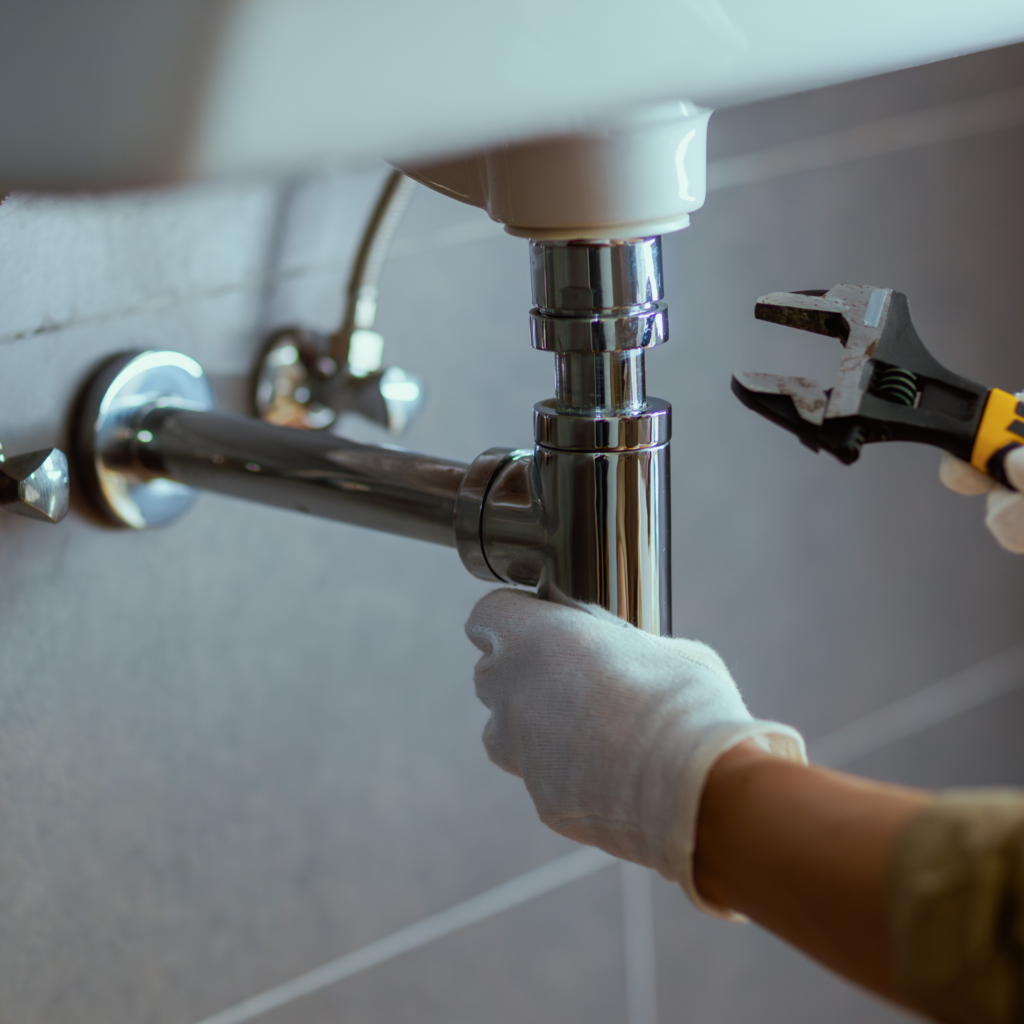
Foam pipe lagging is inexpensive and easy to fit. Don’t forget the cold water tank in the loft, which needs an insulated jacket and lid.
3. Protect outside taps
Outside taps freeze easily. If yours has an isolating valve inside the house, turn it off, then open the outside tap to drain it. Fit an insulated cover over the tap. If there’s no isolating valve, it’s worth having one fitted.
4. Keep the heating ticking over
During a cold spell, keep the heating on low, even if you’re out or away. Leaving it set to around 12 to 15°C helps keep pipes above freezing. Many boilers have a frost setting that does this automatically. Open the loft hatch occasionally during very cold nights to let a little warmth in.
5. Watch out for a frozen condensate pipe
If you have a condensing boiler, it has a small plastic pipe, usually white, that carries waste water outside. In freezing weather this pipe can freeze, and the boiler will stop working, often showing an error code.
If this happens, you can usually thaw it by pouring warm (not boiling) water along the outside section of the pipe, or holding a hot water bottle against it. Then reset the boiler following the manufacturer’s instructions. If it keeps happening, the pipe may need rerouting or insulating.
6. Get drips and leaks fixed now
A small leak in autumn can become a big problem in winter. If you’ve noticed a dripping tap, a damp patch on a ceiling, or a toilet that keeps running, get it seen to before the cold weather arrives.
Rural and period homes need extra care
Many homes in the Stour Valley villages, such as Bures and Stoke by Nayland, and in older towns like Hadleigh, Halstead, Manningtree and Woodbridge, have features that make pipes more vulnerable:
- long pipe runs to outbuildings, annexes and garden taps
- solid walls with little insulation
- suspended floors with cold air circulating underneath
- oil-fired heating, where running out of fuel during a cold snap can leave pipes unprotected
- second homes and holiday lets that stand empty for weeks.
If your property is left empty over winter, consider draining down the system, or at least keep the heating on a low setting and ask a neighbour to check in.
What to do if a pipe freezes
- Turn off the water at the stopcock.
- Open the cold tap nearest the frozen section.
- Thaw the pipe gently using a hairdryer or a hot water bottle, starting from the tap end.
- Never use a naked flame or a blowtorch.
- Check the pipe for splits once it’s thawed.
What to do if a pipe bursts
- Turn off the water at the stopcock immediately.
- Switch off the electrics if water is near sockets, light fittings or the consumer unit. Don’t touch electrics if you’re standing in water.
- Turn on taps to drain the system.
- Move valuables out of the way and catch water with buckets and towels.
- Call a plumber, then your insurer.
Plumbers near you
Frequently asked questions
Should I leave the heating on when I go away?
Yes. A low setting of around 12 to 15°C is usually enough to protect the pipes.
Is it worth insulating pipes in a heated house?
Pipes in heated rooms rarely freeze. Concentrate on lofts, garages, outbuildings and pipes on outside walls.
Can you move pipes away from cold areas?
Yes. If a pipe keeps freezing, rerouting it can be a permanent fix.
Need a plumber before winter?
Call us on 01621 503579 or get in touch to book a check-up or fix that drip. Find out more about our plumbing services.